


Good morning, Wimblers.
I hope that everyone is having a good week so far.
Firstly, our print edition will be available to collect from Wimbledon Quarter. There will be Wimble-branded stands within the Quarter. Keep your eyes out for them!
This week we have an interview with Kristen Spours, one of Team GB’s brightest stars before her retirement at the age of 26. Kristen will be coming to Wimbledon Quarter later this year, so do keep your eyes peeled for dates and timing to catch that. Kristen spoke to The Wimble about her journey, her career-altering injury and what it takes to skate for Team GB at the Olympics.
The days have certainly gotten colder. But fear not, for we have some great recommendations for the coming weeks to keep the cold from your door! We also have a fantastic property of the week and some news snippets to keep you up to date.
News snippets 🗞
🏡 In September, the National Trust announced it had come into possession of a new property: No 22 Parkside, a beautiful suburban house on the edge of Wimbledon Common. The house was originally built for the parents of the architect Richard Rogers. Rogers actually cited the house as an inspiration for some of his most famous buildings: the Pompidou Centre in Paris and the Lloyd’s Building in London being two of the most prominent. Last week, John Goodall, writing for Country Life, said, “Today, this house embodies some fascinating issues and questions. One of which is that, although No 22, Parkside may be a very important building, it was never important in the way its creators actually intended. That is to say, it was designed as a prototype for mass, suburban housing, but engendered instead a monumental, metropolitan style of architecture that has served governmental, institutional and commercial interests.” Check out the full article here.
🎉 Love Wimbledon has secured a fourth term as Wimbledon’s Business Improvement District (BID). Love Wimbledon secured an incredible 93% YES vote, which is far higher than the national average. Click here for more details.
✂️ Merton Council is set to join forces with the Merton Chamber of Commerce to launch a new business support service to help create “good jobs, support enterprise and unlock growth” across the borough, according to a new press release. Launching in January, the scheme aims to provide Merton’s small businesses with free, practical help through workshops, monthly advice surgeries, specialist support and commercial connections. To get more details about the service, click here to sign up for the council’s newsletter.
⛸ Wimbledon Quarter’s ice rink will start filling up from Sunday. It’s time to get your skates on! The rink will be ready and available to use from Saturday 21 November. Click here to book your tickets.
The Wimble’s sponsor of the week 🍯

If you haven’t tried The Rooftop Farm’s honey, then you have been missing out. I have tried to persuade the farm to give me an unlimited supply, but to no avail. Head to The Fire Station Café to pick up your jar.
Property of the week 🏡

This five-bedroom detached home is perhaps one of the more “modern” looking properties that we have featured in recent weeks. Built in 2013, the house is all about light and “lateral living”. The roof terrace is what really does it for me. It has the sort of price tag you might expect if you’ve read this section before, clocking in at £4.2 million. Check out more photos here.
The Wimble’s to-do list 🎯

🎻 Nordic Folk Meets Bach by Candlelight: The Wimbledon Music Festival is in full swing, and there are far too many events to list. This one caught my eye simply because it sounds so out there. In this candle-lit concert of Baroque music, the dazzling counterpoint and folk-inspired dances of Bach and his contemporaries are reimagined in a Nordic soundscape. The audience “will be transported to a world of frozen fjords, cosy fires and plentiful beers” with the help of a 14th-century Swedish nyckelharpa — a cross between a violin and a hurdy-gurdy — and a Norwegian hardanger fiddle, whose origin story includes trolls and dragons. Ticket prices vary. Book here.
Where: St John the Baptist
When: Tuesday 17 November, 7.30pm
🍻 Bring Your Own Booze Comedy: “Experience a stellar line-up featuring tour support for major UK stars and award-winning rising talent in the heart of SW19.” Who doesn’t fancy a cheap night out with a few laughs in between? And when it’s BYOB, it’s one of the best value nights Wimbledon has to offer. Tickets are £5 per person, book them here.
Where: Wimbledon Library
When: Wednesday 18 November. 8pm
💃🏽 London Salsa Nights Black Tie Gala: If delicious food, great drinks, serious dancing and great Latin vibes are your thing, then look no further. There will be complimentary drinks upon arrival, salsa classes followed by social dancing, and even a buffet. Again, ticket prices vary. Book here.
Where: Sacred Heart Church
When: Saturday 21 November, 6.30–11pm
🥕 Christmas Artisan Market at the Dog & Fox: The season is upon us! Head up to the Dog & Fox to browse a range of artisan gifts including jewellery, candles, glass and gin. I know it might seem early, but it’s always good to get some gifts sorted before the rush.
Where: Coach House at the Dog & Fox
When: Sunday 22 November, 10am–4pm
💨 Watch Wimbledon Windmill in action: Every five weeks one of the WPCC Rangers heads to the roof and releases the brake on the sails to make sure everything is still working and that nothing has seized up. This is your chance to see the windmill in action.
Where: Wimbledon Windmill, Wimbledon Common
When: Saturday 21 & Sunday 22 November, 2pm
🦃 Thanksgiving at the Rose & Crown: Christmas may be approaching fast, but there is still a big holiday beforehand if you’re an American (or happen to celebrate). The Rose & Crown will be complementing their regular a la carte menu with a selection of delicious American-inspired specials, including comforting seasonal favourites and, of course, a sumptuous homemade pumpkin pie. Book here.
Where: Rose & Crown
When: Thursday 26 November, 12–11pm
She ruptured her spine on the ice - but still skated at the Olympics ⛸
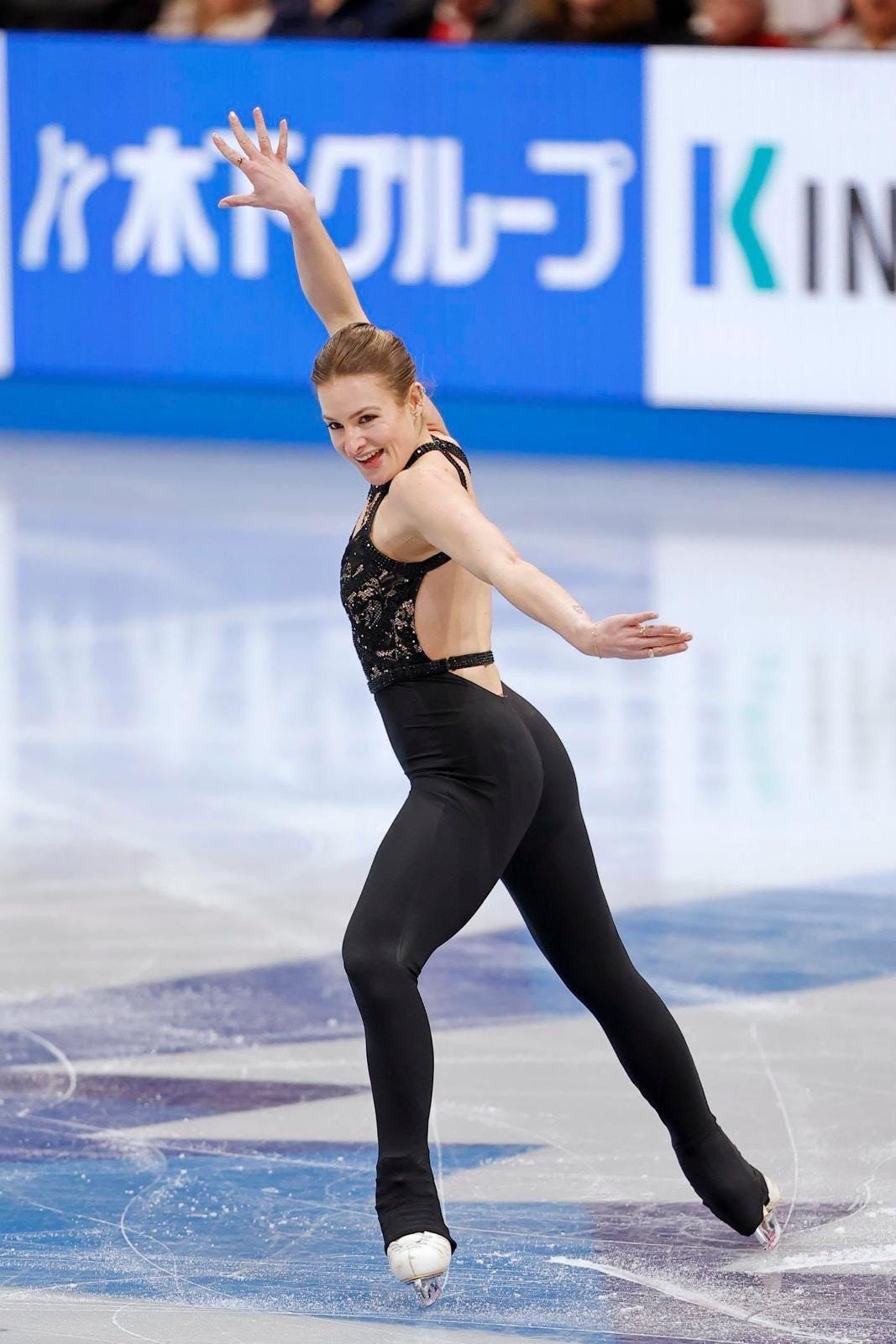
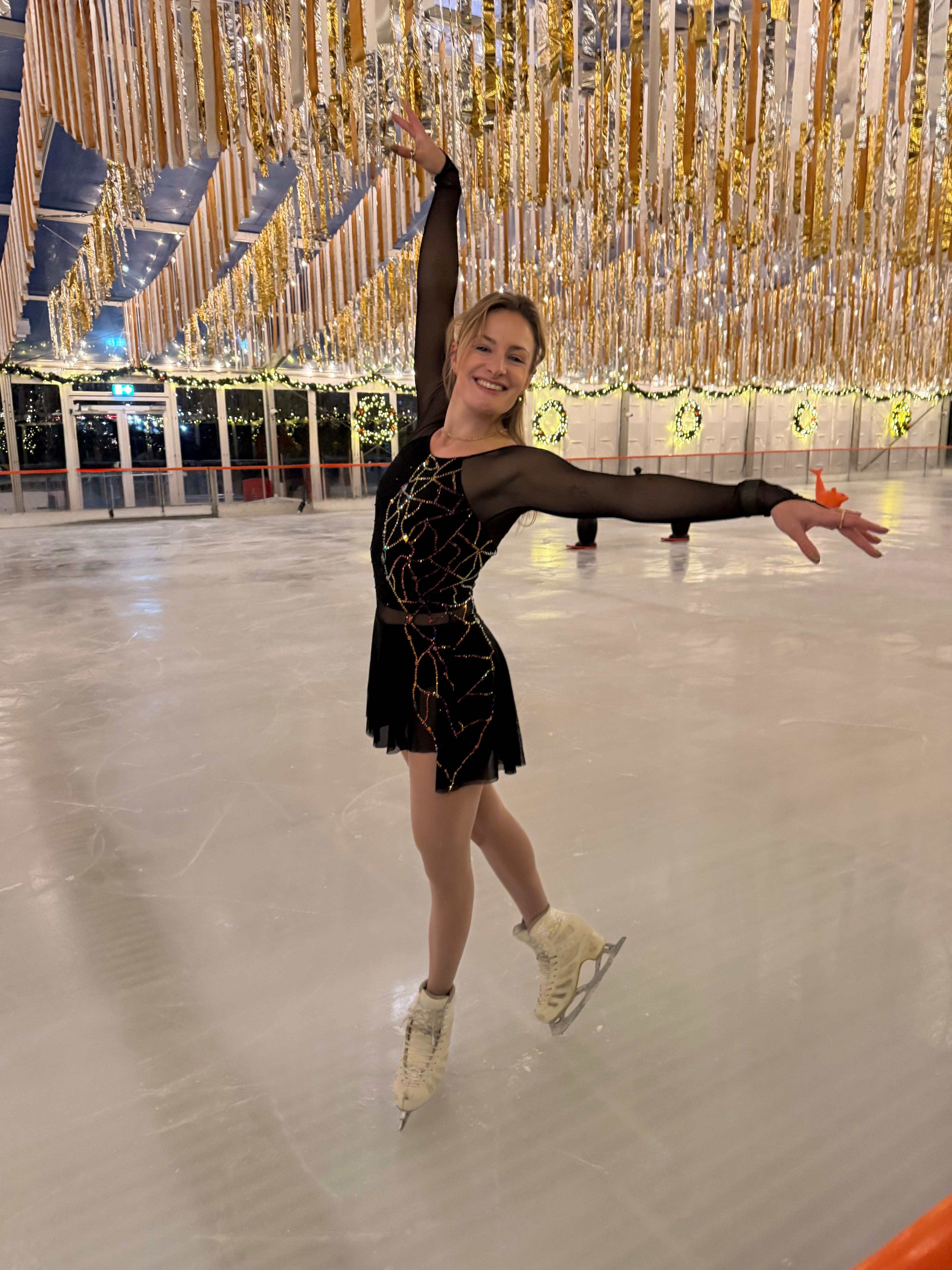
Kristen Spours is one of the best figure skaters this country has produced over the past 20 years. Spours has competed in the final segments of the World Junior Championships and three World Championships, and she represented Team GB at the 2026 Winter Olympics. Before the Olympics, disaster struck in the form of a spinal disc injury, but Spours persevered and represented Team GB at Milano Cortina despite the huge setback. About a month after the Olympics, Spours retired from the sport at just 26 years old. This Christmas, she is visiting Wimbledon Quarter’s ice rink to perform some of her routines. The Wimble sat down with Spours to hear her story and to find out what it takes to skate for Team GB
How did your ice skating journey begin?
I started skating after watching the first season of Dancing on Ice. I had completely fallen in love with the show and all of its sparkles — I was only six years old — and so I asked for ice skating lessons for my birthday. So my brother and I were taken along to Guildford to learn to skate, and I never really looked back. Quite quickly, we were picked up for private lessons because we showed promise. By seven, I was skating six days a week and competing across the country. Figure skating is an incredibly young sport, and most athletes start really early.
I think Christmas time is often synonymous with skating and ice rinks. How do you approach that time of year as a professional?
I really enjoy skating at the Christmas rinks. It’s lovely to skate without the pressure and to share the sport that I love — and the beauty of that sport — with so many other people during the holidays. It’s also the perfect time of year for us to get people into skating. But this year will be my first Christmas since retirement, so I’m also quite excited to just take a moment to appreciate the smaller things in life. It’s the first time in my life that I can say: “Oh, yes, I will go and get a coffee and croissant with my husband and just relax.”
How did you manage to balance the work with your personal life?
I went to school, which is somewhat rare, as quite a lot of professional figure skaters are homeschooled. I’d miss the odd day for competitions, but my school was incredibly supportive when it came to that. But I didn’t go to parties or have much of a social life when I was growing up; most of my time was spent either at the rink or catching up on homework. It’s a huge commitment that you make from a young age.
You’ve had an incredible career, but I understand you had quite a serious injury prior to the 2026 Winter Olympics. How did that affect you, and how did it change your approach to the Olympics?
I was having the season of my life: I was in the top 10 in Europe, had just won my first national title and qualified for the Olympics. But two weeks after I qualified, I woke up with a dead leg. I had ruptured a disc in my spine. It was all a bit of a whirlwind. When it first happened, I assumed someone would operate on my back and fix the problem, and things would then return to normal.
I had to relearn everything from scratch, and I still never regained function in my left calf — the problem persists to this day. And I suppose all of this made my experience at the Olympics different from what I had envisioned. Coming back from my injury was really, really difficult. It also meant I was limited in terms of what I could produce at the competition. But in a nice way, it gave me the freedom to enjoy the Olympic experience without having so much pressure on me.
Figure skating is an incredible sport, but if you could change one thing about the industry, what would it be?
I think the biggest issue that we face is that we are a very underfunded sport. I was working seven days a week throughout the Olympic qualifiers and Olympic cycle. You’re not just training at an Olympic standard; you are also trying to work full-time to fund everything as well. We’ve lost a lot of ice rinks across the country in recent years because they’re expensive to maintain and the demand for them is not what it once was. You actually see a lot of young British figure skaters training abroad because the facilities are that much better and accessible.
It’s also true that figure skating is a sport that demands a lot of you. Over the past few years, there has been better dialogue around athletes’ mental health, but I still think it’s something that we are a bit behind the times on.
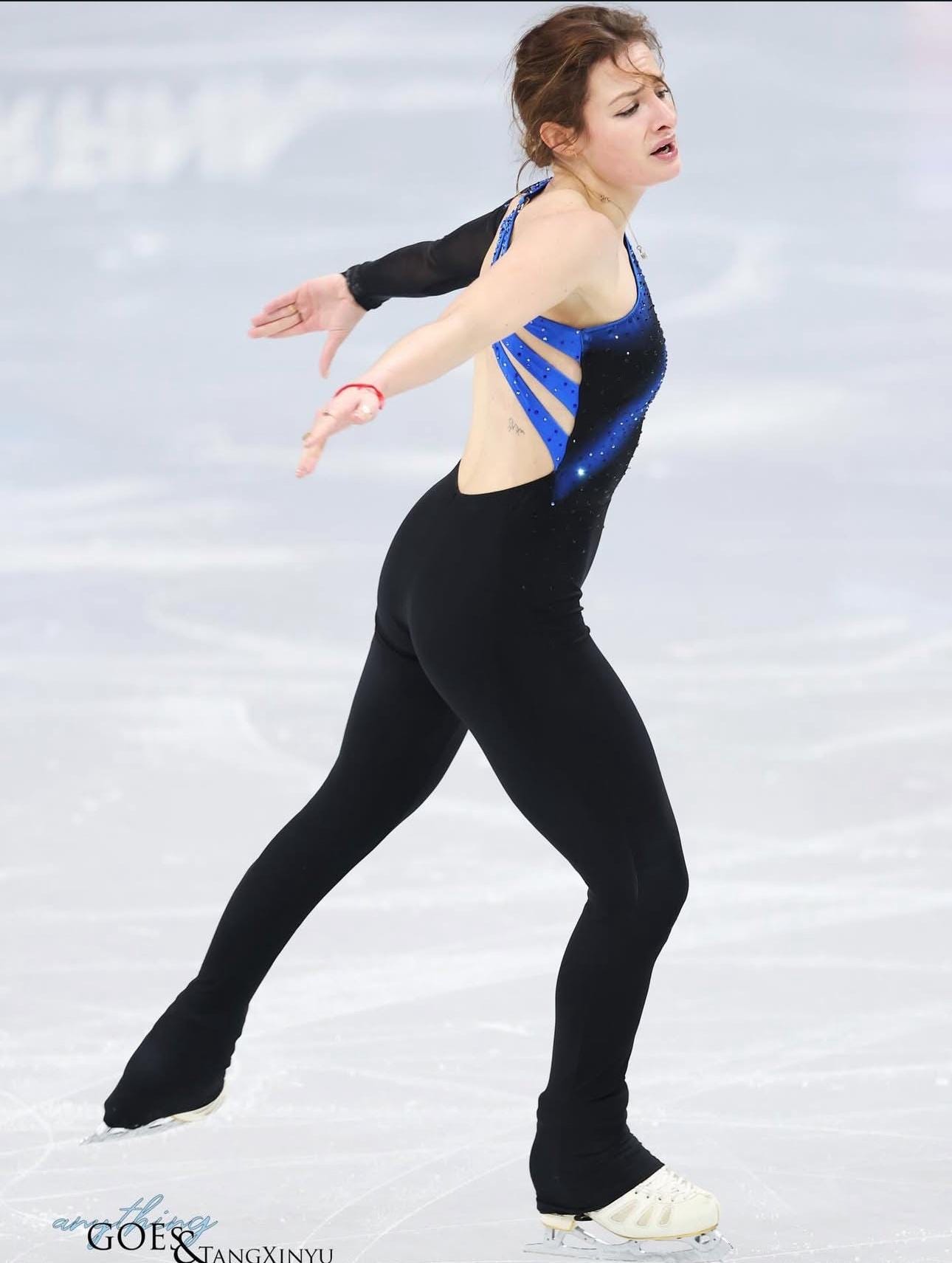
You’ve made the transition into coaching since your retirement. What has that been like?
It’s been really interesting. I think I was ready to be done. I’d had a really hard two years, and I was tired and suffering from burnout. It’s been so nice to take a breath and step to the other side of the sport. I love coaching. I love nurturing new talent, going to competitions and seeing the start of the journey for some of my younger skaters who are six, seven or eight years old. It’s easy to forget how much joy can come from the sport when you’re fighting for world championships or the Olympics.
Question of the week 🔍
Last week I gave you a list of authors and asked which one was born in Merton. The answer: Ford Madox Ford.
Q: Which of these bands did not play at the Wimbledon Palais?
You’re up to date 👋
Thank you for reading this week’s edition. Do keep sending in any more ideas for features and stories over the coming weeks: zak@thewimble.com. Other than that, have a great rest of the week and we’ll see you next time.